

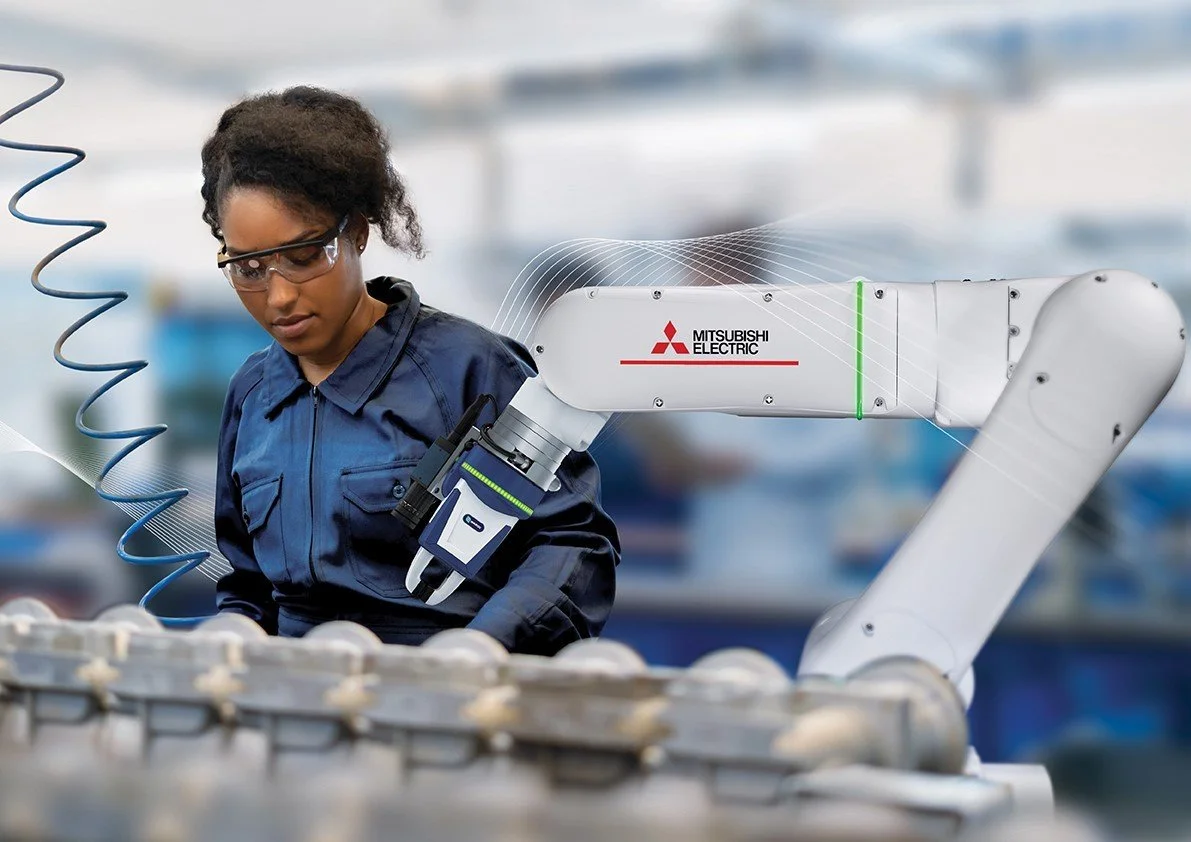
Food Industry Robotics Proof of Concept Scheme
Food Industry Automation Without the Capital Risk
See it. Prove it. Then Invest.
A Practical Approach to Automation
Did you know?
The UK Government’s Made Smarter UK funding programme helps manufacturing SMEs adopt digital technologies to improve productivity, reduce costs, enhance quality, and increase profitability.
Find out how your business could benefit: https://www.madesmarter.uk/
Food and Beverage sector robotic solutions
Our customers often ask, "Will robotics genuinely improve our production, or will it become an expensive experiment?" That's exactly why we developed our Robotics Proof of Concept Scheme. It allows manufacturers to evaluate robotic automation on their own production line before making a capital investment.
Automation solutions offer a proven way to improve operational equipment effectiveness, efficiency, throughput, cycle times, change over times, labour utilisation and reject rate, while also strengthening resilience and helping improve the payback periiod. However, investing in robotics can be difficult without clear evidence that the solution will deliver measurable results within your own production environment.
Our programme allows food manufacturers to trial robotic automation within their production process, gather real operational data from robotic applications and build a robust business case before committing to capital expenditure. The trial also helps reduce human error, reduce waste and support the broader beverage industry by showing how automation can improve consistency and performance.
Reduce Risk. Improve Productivity.
Whether you're producing baked goods, ready meals, confectionery, beverages, dairy products or packaged foods, robotics adoption across the food and beverage industry shows how robotics food industry systems can support a wide range of food products, including packaged goods. These systems can support food handling from processing through robotic packaging to enhance efficiency and packaging efficiency in large-scale production. They can process a range of food items, from harvesting to packaging and cooking in commercial production or meal-preparation environments, while increasing speed, consistency, and hygiene to support a smoother dining experience.
Modern systems now handle both basic tasks and complex tasks, taking on repetitive tasks and reducing physically demanding manual labour for human workers while increasing operational flexibility in production.
A proof of concept trial allows you to:
Validate automation within your own facility
Measure productivity improvements
Reduce manual handling
Improve product consistency
Support food safety objectives
Address labour shortages
Generate data to justify future investment
Automated measuring and handling support ensuring consistency, consistent quality, and cost efficiency across production runs by accurately measuring ingredients.
Instead of relying on assumptions, you'll have real-world evidence from your own production line.
Reducing food production contamination
The integration of robotics technology across the food supply chain has become essential as the demand for safe, high-quality food continues to rise, supporting safer food handling as well as food processing and food packaging. Robotic systems are designed to minimise direct human contact with food, and hygienic, washdown-rated robots used in food manufacturing environments such as meat processing and dairy processing facilities must withstand high-pressure cleaning while helping maintain consistent sanitation practices. This approach enhances food safety, supports quality standards, and protects brand reputation by reducing contamination risks. This focus on safety and quality is critical in today’s market, with a growing demand by consumers for consistent product quality levels. Robotic applications can also improve safety by handling delicate or hazardous tasks with precision.
Benefits of Food Robotic
Higher productivity with food robotics for repetitive tasks
Wide range of task automation including:
Sorting
Grading
Packaging
Palletising
Packaging robots and high-speed robotic packaging improve packaging efficiency in food manufacturing.
Improved delicate food items handling
Waste reduction and higher quality control
Quality inspection systems can verify label and packaging accuracy in real time, and vision-guided robots inspect products for defects in real time.
Contamination reduction
Real-time performance monitoring
Improved staff safety levels, with robotic arms supporting safer operation in hazardous environments, including meat and food processing tasks.
How it works
Challenges to the food sector when adopting industrial robots
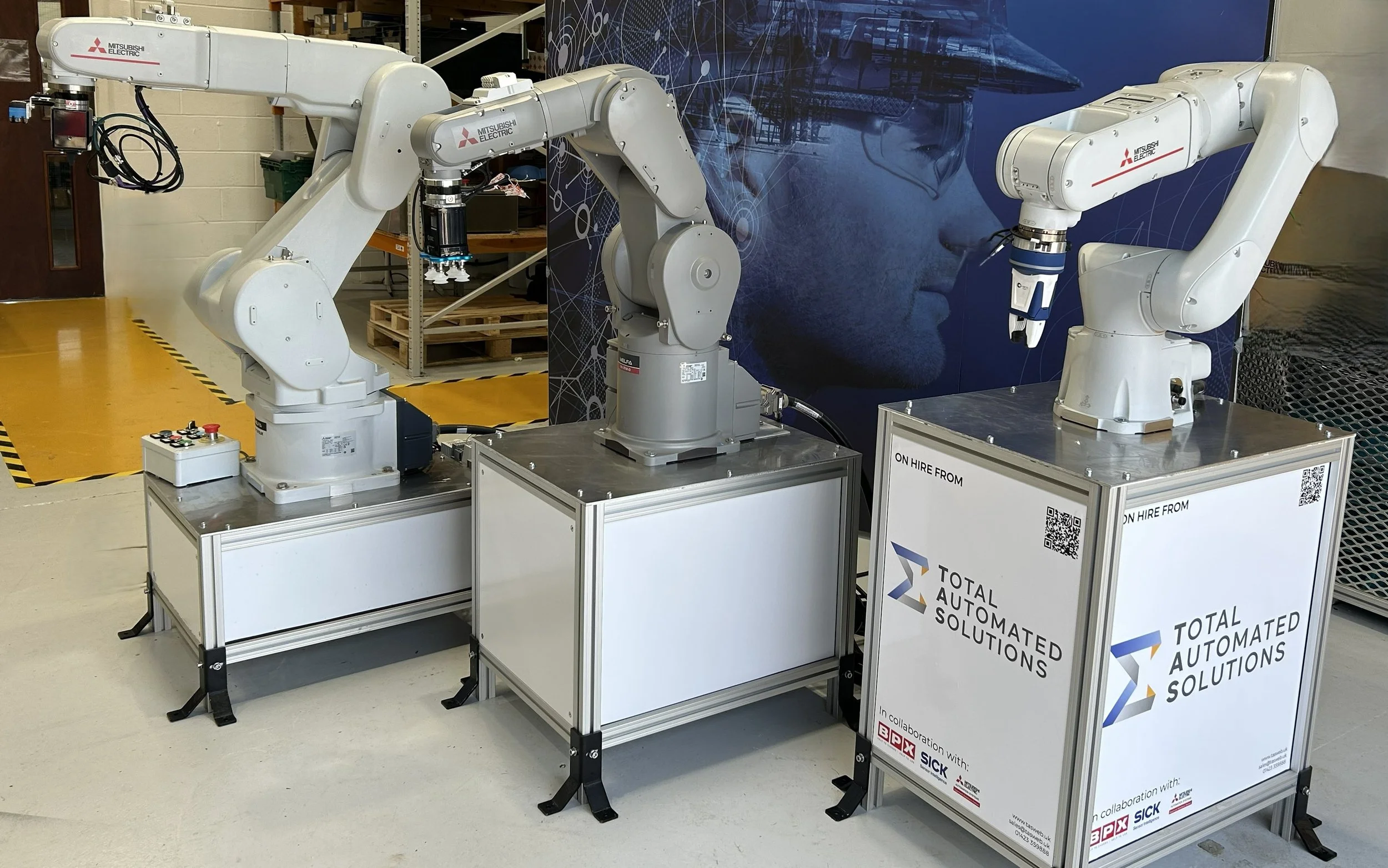
Of course, while upfront costs can be high, automation solutions often reduce labour costs and operational costs over time compared with a human workforce in your production processes. It can also mean a transition in the workforce, with collaborative robots taking on physically demanding tasks while human workers focus on higher-skill oversight and managing the technology. It can also sometimes mean upgrading legacy machinery and systems, and possibly adapting the production line to maximise efficiency. AI-enabled predictive maintenance can also monitor equipment condition, helping with reducing downtime during production. This is why we have developed our food industry robot hire solutions, which you can try with minimal commitment to determine whether and how they will be the right step for you.
They can operate 24 hours a day without fatigue, which helps improve production scheduling and increase output.
Equipment selection in food manufacturing must also consider hygiene requirements such as EN 1672-2, washdown performance, cold environments down to -30 degrees, and resistance to high-pressure cleaning.
Discovery
Our automation specialists assess your process and identify suitable opportunities for robotics.
Deployment
A robotic solution is installed and configured within your production environment.
Evaluation
Performance data is collected and analysed to measure productivity, quality and operational improvements.
Investment Decision
The results provide the evidence needed to support capital expenditure approval and future automation projects.
Discovery
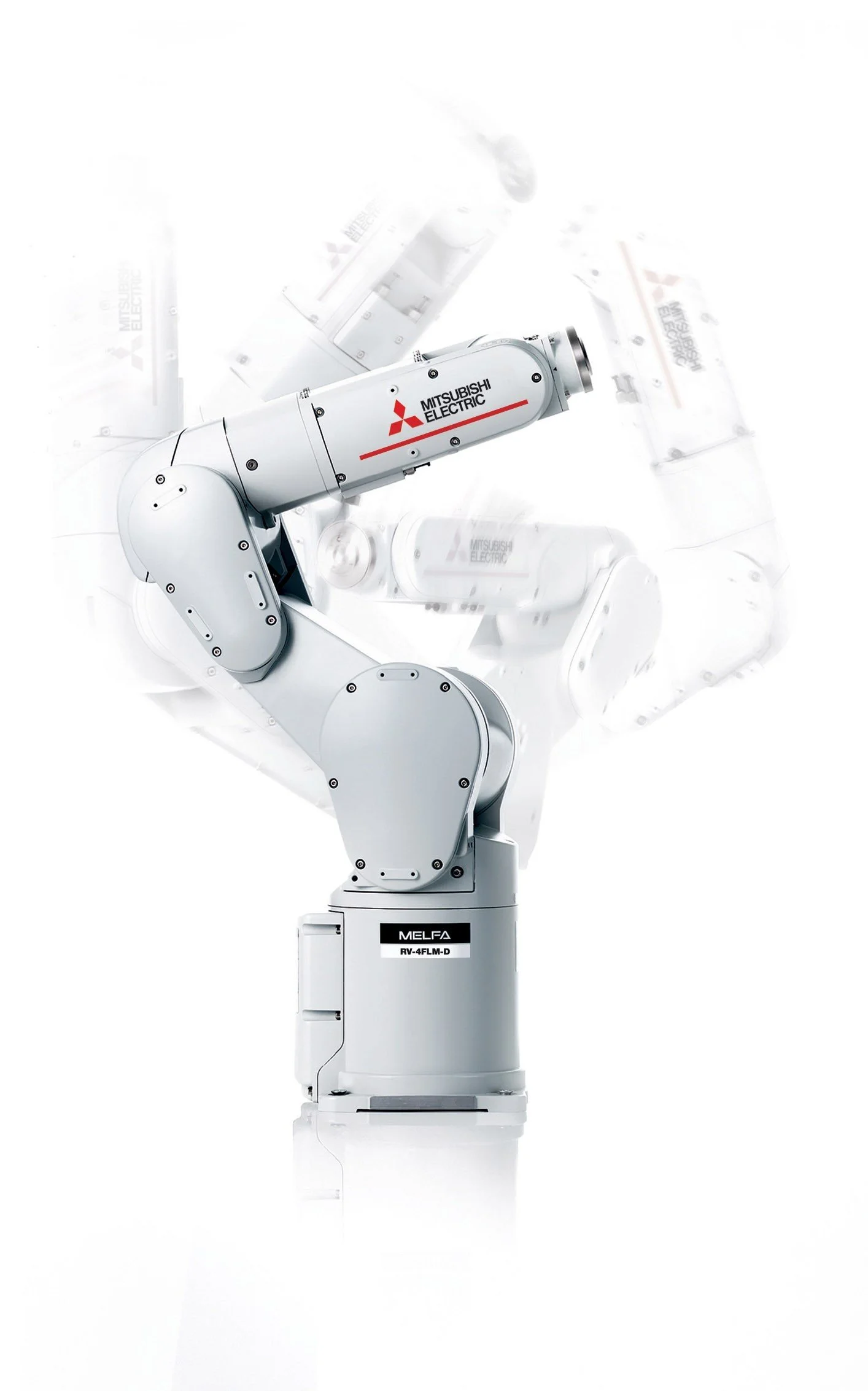
Different robot types are selected based on the production task and line layout, with pick-and-place systems and palletizers among the most common in food production. Scara (Horizontal) robots are ideal for fast work above a conveyor belt, while gantry robots excel at heavier material handling loads. Robotic cells automate packaging and sorting, and warehouse-oriented systems can also support inventory management by improving pallet flow and storage visibility. Collaborative robots can be configured for semi-automated stations where they work alongside humans and human workers without safety barriers while adapting quickly to new products or packaging types.
Build a Stronger Business Case
In line with emerging trends in food robotics worldwide, the market was valued at £3.0 billion in 2023 and is projected to reach £8.9 billion by 2033, with 11.5% CAGR growth.
Approximately 400,000 new robots are added annually, underscoring the pace of robotics technology adoption across the supply chain.
A robotics trial provides measurable data including:
Production throughput improvements
Labour savings
Cycle time reductions
Quality improvements
Waste reduction opportunities
Health and safety benefits
Return on investment projections
The result is a clear, evidence-based path to automation investment.
Why Total Automated Solutions
Because we don't sell robots.
We help manufacturers decide whether robotics is the right investment.
Every proof of concept includes:
✓ Site assessment
✓ Process review
✓ Robot selection
✓ Installation
✓ Integration
✓ Operator training
✓ Performance reporting
✓ ROI assessment
Book Your Free Food Industry Automation Assessment
Discover how a Robotics Proof of Concept Trial could improve productivity, increase consistency and reduce operational risk within your food production facility.
Speak to our team today and explore automation with confidence.
See It. Prove It. Then Invest.